Matthias Tasler
- Diplom-Sachverständiger (DIA)
- M.A. Business Administration
- MBA Real Estate Management
- Certified valuer (DIAZert, DIN EN ISO/IEC 17024)
Focus: market value, remaining useful life and residential, holiday and commercial properties.

Remaining useful life
for apartment buildings.
For let apartment buildings, a shorter remaining useful life has a particularly strong effect, because the building share of the whole house is depreciated. We assess the building fabric, building services, flats and modernisations and derive the actual remaining useful life transparently.
For an apartment building, the building share of the purchase price is usually high. Every year by which the useful life is shortened therefore noticeably increases annual depreciation.
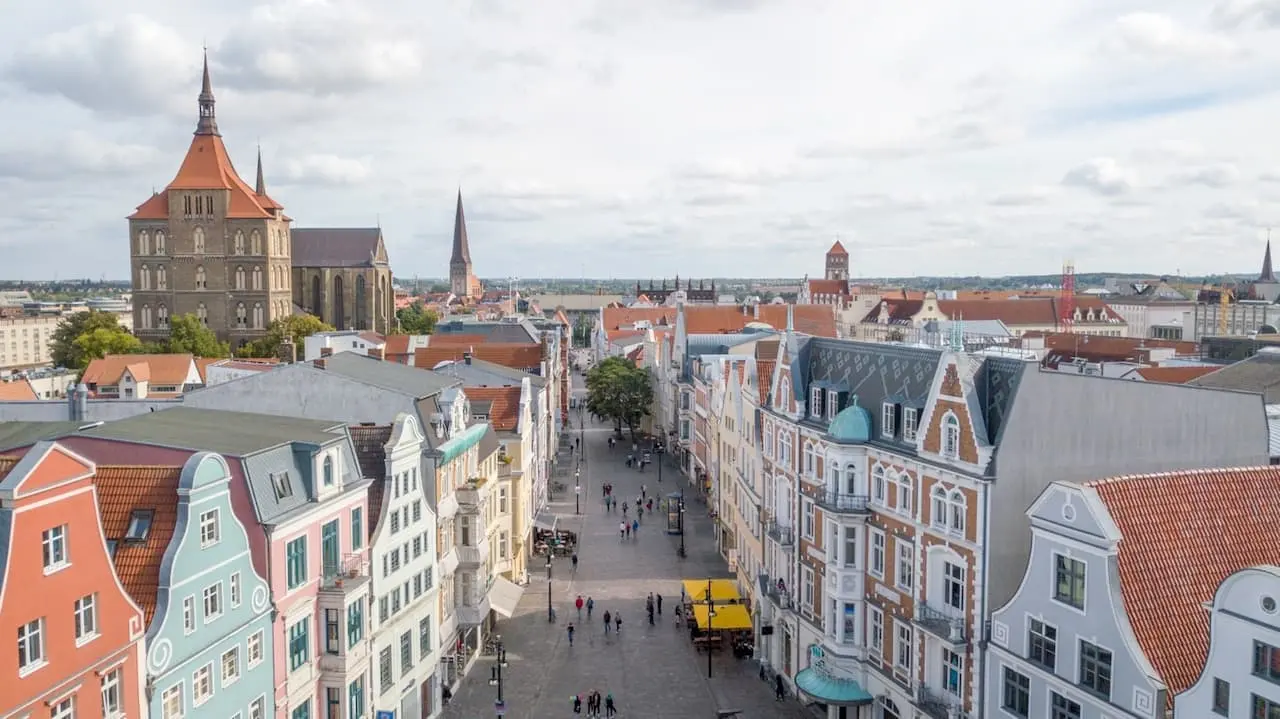
Older apartment buildings in particular – period buildings, post-war buildings or prefabricated panel buildings in Rostock and Mecklenburg-Western Pomerania – often deviate from the standard useful life, for example when pipes, bathrooms or the roof were only partly modernised or modernised long ago.
You will find all general information on our main page about remaining useful life reports.
If the statutory requirements are met, a shorter actual useful life can be used for depreciation (AfA) instead of the standard useful life.
The evidence must be based on an expert method that is suitable for the specific building.
Year of construction, condition, modernisations, construction and other individual features are professionally assessed and documented.
An apartment building is rarely modernised uniformly. That is why we look at the building fabric, building services and the individual units.
Roof, facade, basement, floors and staircase – condition, construction and repairs carried out.
Heating and supply lines for water, waste water and electricity – often with the greatest influence on useful life.
Bathrooms, kitchens, floor plans and fittings of the units – even where modernisation levels differ.
Front and rear buildings, extensions or commercial units on the ground floor are considered individually.
The higher the building share and the older or less uniformly modernised the building, the stronger the effect of a shorter remaining useful life.
Typical cases are the purchase of an existing building, a portfolio of several buildings owned by the same person or apartment buildings with commercial units. If you own several properties, the reports can be prepared with the same valuation date. In an initial conversation we will tell you honestly whether the report pays off.
Note: The report does not replace tax advice. The tax assessment in each individual case is made by your tax advisor or the competent tax authority.
Two facts decide the calculation: the year of construction sets the standard depreciation rate – the date of purchase sets when depreciation starts and how much has already been written off.
Residential buildings held as private assets. Decisive is the completion of the building – not the date of purchase.
Building share € 240,000
Building share € 200,000
Building share € 250,000 · remaining book value 2026 approx. € 200,000
Enter your figures – the result updates immediately. The remaining useful life is an assumption until the report determines it.
Tax rate: the percentage at which each additional euro of your income is taxed – for most landlords between 30 and 42 %. Simply move the slider.
*Simplified example calculation: whole calendar years, constant marginal tax rate, no solidarity surcharge or church tax. Not tax advice – please discuss with your tax advisor. Whether a shorter useful life is recognised is decided by the tax office in each individual case.
A Remaining Useful Life Appraisal is prepared in a structured, property-specific way. From your first enquiry to the finished report, you have a personal contact.
We clarify the property type, the purpose of the valuation and the required scope of the report.
We agree which construction, rental and modernisation documents are available for the building and what is still missing.
We inspect the building on site – basement, staircase, attic, facade and a representative selection of flats.
You receive the signed report as a PDF by email, and on request as a printed copy – ready to pass on to your tax advisor.
The more complete the documents, the more precise the report. You can conveniently submit everything via our online checklist.
At Tasler Immobilienbewertung, the focus is not on an automated online result, but on the specific building. A Remaining Useful Life Appraisal is prepared on the basis of the actual characteristics of the property.
For a Remaining Useful Life Appraisal in Rostock, clients also benefit from our regional work in Rostock and Mecklenburg-Western Pomerania and from a direct personal contact.
Focus: market value, remaining useful life and residential, holiday and commercial properties.

Focus: real estate industry, project development and the assessment of a wide range of property types.
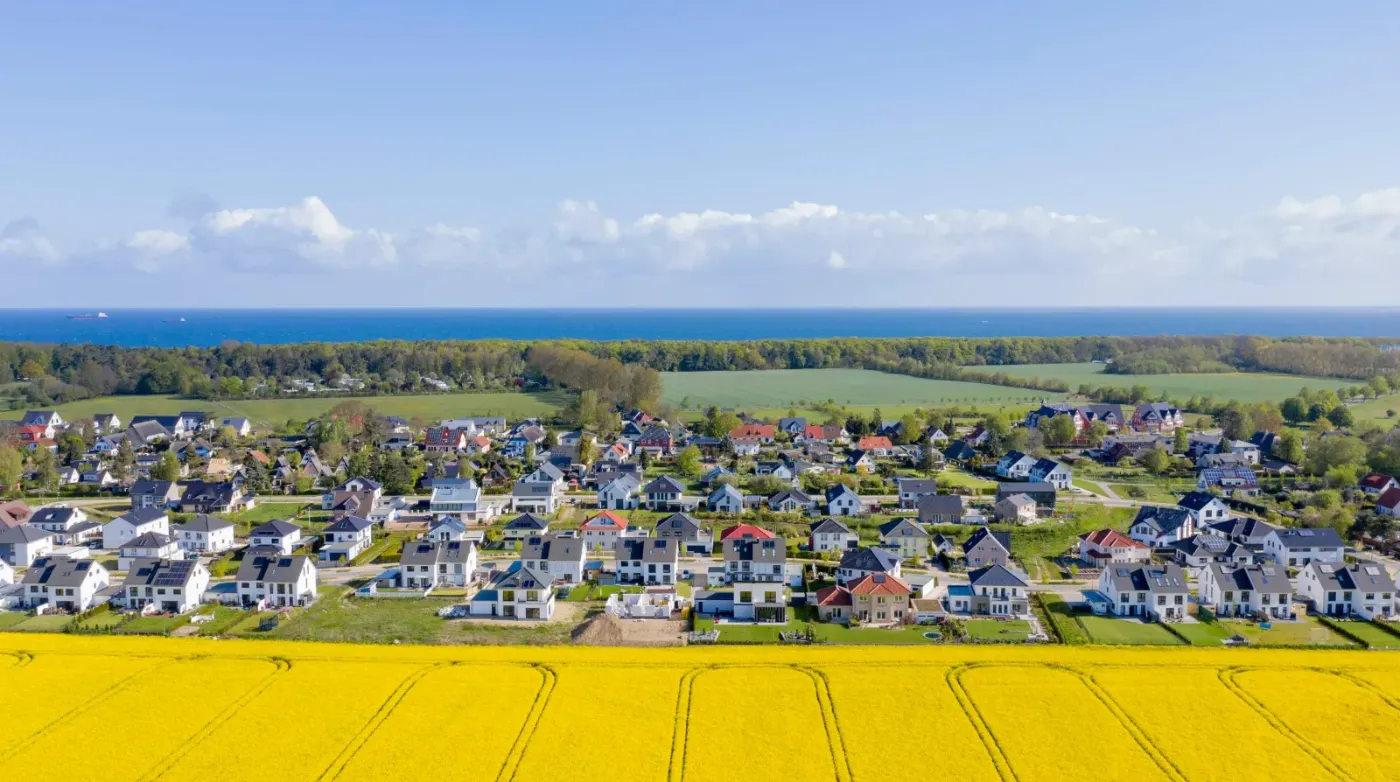
Our expert office is located on Barnstorfer Weg in Rostock. We prepare Remaining Useful Life Appraisals for properties in Rostock and throughout Mecklenburg-Western Pomerania and agree the required documents and the site visit with you individually.
We prepare remaining useful life reports not only in Rostock. For these places you will find dedicated pages describing the typical local building stock:
Briefly tell us about your apartment building. We will tell you without obligation whether a Remaining Useful Life Appraisal is worthwhile and which documents are needed.